The Role of Luck in Gambling
The concept of luck is central to discussions about gambling, deeply embedded in the culture of gaming establishments. Many players enter games with the belief that their fate hinges on chance, especially when exploring online betting canada options that promise unique experiences. This perception is rooted in the very essence of gambling, where random outcomes dominate and the thrill of victory is often marred by the specter of loss. However, a deeper understanding of the statistical underpinnings of these games reveals a more nuanced picture of luck’s actual influence.
In various gambling formats, be it slot machines, roulette, or card games, luck appears to be a predominant factor. Nevertheless, the outcomes of these games are heavily dictated by mathematical probabilities and odds. For instance, in poker, while luck may play a role in the initial card distribution, the player’s skill and strategic approach become pivotal in determining their success in the long run. This differentiation is crucial, as it clarifies the distinction between sheer chance and the cognitive strategies that can enhance a player’s odds.
Moreover, the perception of luck can often trigger cognitive biases. Players frequently attribute their wins to personal skill while blaming losses on bad luck. This dichotomy can create a cycle of emotional decision-making that undermines financial discipline. Players may persist in gambling, fueled by the hope of recovering losses, convinced that their luck will eventually change. By recognizing the balance between skill and luck, individuals can cultivate a more rational approach to gambling, minimizing impulsive choices driven by misplaced faith in fortune.
Common Myths About Luck in Gambling
Myths surrounding luck in gambling are widespread, often fueled by anecdotal evidence and popular culture narratives. One of the most prevalent myths is that players can experience ‘hot’ or ‘cold’ streaks, implying that luck fluctuates unpredictably. This belief can mislead players into seeing patterns in outcomes that are statistically unfounded. The reality is that each round in a game is independent from the last, governed by random number generators and fixed odds that do not change based on previous results.
Another common fallacy is the belief in lucky charms or rituals that can sway outcomes. Many gamblers adhere to specific habits, whether it involves wearing certain clothing or employing particular betting strategies thought to attract fortune. While these rituals can provide psychological comfort, they do not influence the actual odds of winning. Recognizing that such practices stem from superstition rather than statistical reality can help clarify the misconceptions surrounding luck in gambling.

Lastly, the myth that players can control their luck through strategic betting or emotional states often leads to unrealistic expectations. Many players think that by altering their betting patterns, they can manipulate game outcomes. However, the fundamental structure of gambling games is anchored in constant probabilities that do not shift according to player behavior. By dispelling these myths, gamblers can approach their experiences with a clearer mindset, fostering realistic expectations and better financial management.
Understanding Probability and Odds
To uncover the truth about luck in gambling, a thorough understanding of probability and odds is essential. Each game presents specific probabilities that dictate outcomes based on established rules. For example, in games involving dice or cards, the likelihood of achieving certain results can be calculated with precision. This mathematical framework aids players in grasping the inherent risks associated with gambling and can inform their decision-making strategies.
In games such as blackjack, the dealer’s rules and the probabilities linked to different hands create a scenario where skill can substantially reduce the house edge. Although luck plays a role in the cards drawn, informed players can make decisions that significantly influence their odds of winning. By employing strategies grounded in probability, players can shift the focus away from luck and enhance their chances of success.
Furthermore, the fluctuating nature of odds in activities like sports betting introduces another layer of complexity. Odds can change based on various factors, including player performance, injuries, and market dynamics. A solid understanding of these odds provides gamblers with insight into the potential value of their bets, highlighting that informed choices can often eclipse a mere reliance on luck. By merging a comprehensive grasp of odds with calculated strategies, players can navigate the gambling landscape more effectively.
The Psychological Aspects of Luck and Gambling
The psychological dimensions of luck and gambling significantly impact how players perceive their experiences and make decisions. Many individuals exhibit cognitive biases that skew their understanding of probabilities. For instance, the illusion of control can prompt players to believe they have the power to influence random events. This disconnect can intensify the emotional highs and lows associated with gambling, potentially leading to compulsive behaviors and financial difficulties.
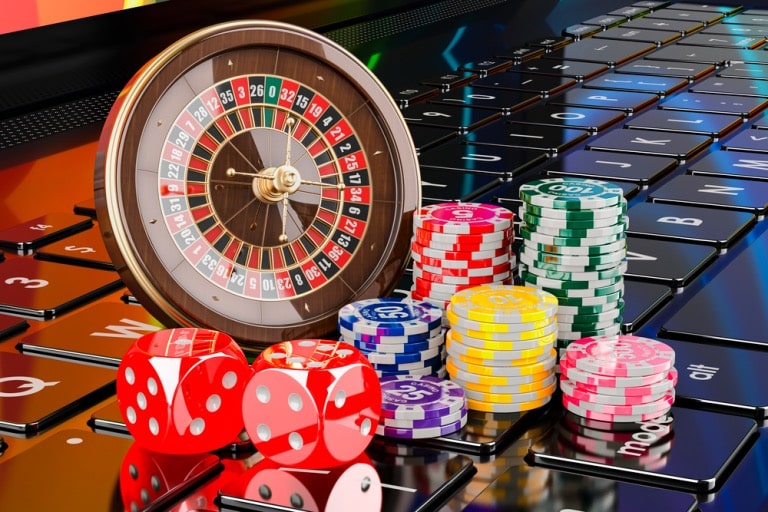
Additionally, the concept of variance plays a crucial role in how players experience luck. Variance refers to the natural fluctuations in game results over short periods. A player on a losing streak may interpret their situation as a sign of bad luck, while someone winning may feel they are on a hot streak. Acknowledging that these variations are a normal part of gambling can help manage expectations and reduce anxiety, promoting a healthier attitude toward gaming.
Moreover, the excitement of winning, often accompanied by an adrenaline rush, can create a feedback loop that encourages continued play, despite the rational understanding that luck is not consistently favorable. The thrill associated with gambling is often tied to the psychological highs experienced during potential victories, making it essential for players to seek a balance between enjoyment and the inherent risks of gambling. Understanding these psychological elements enables players to engage with gambling more responsibly and with greater awareness.
Conclusion and Final Thoughts
In conclusion, grasping the truth about luck in gambling is essential for anyone participating in games of chance. While luck undeniably influences outcomes, distinguishing between pure chance and the factors that can enhance winning probabilities is crucial. By educating themselves on the principles of probability, odds, and the psychological aspects at play, gamblers can arm themselves with the knowledge necessary for a more balanced and enjoyable gaming experience.
This understanding not only promotes a more enjoyable environment but also encourages responsible gambling practices. Emphasizing a rational mindset can help mitigate the emotional rollercoaster often associated with gambling, allowing individuals to appreciate the entertainment value while avoiding the pitfalls of misguided beliefs about luck. Ultimately, a well-informed gambler is better positioned to enjoy their experiences and make prudent, thoughtful decisions that align with their financial goals.
For those looking to deepen their understanding of gambling and its intricacies, there are numerous resources available. Engaging with expert advice, visiting educational websites, and participating in discussions can further enhance a player’s knowledge. This broader perspective not only enriches the gambling experience but also cultivates a more responsible approach to gaming. By focusing on informed strategies and realistic expectations, players can truly enjoy the thrill of gambling while navigating its challenges with confidence.
